The Lone Star State is experiencing a significant surge in its aerospace sector, a booming industry that is creating an unprecedented demand for skilled aviation technicians. This expansion, driven by new manufacturing facilities, increased aircraft orders, and a growing need for maintenance and repair services, presents both a challenge and a tremendous opportunity for Career and Technical Education (CTE) programs, workforce development initiatives, and the state’s economy.
The implications are far-reaching, impacting not only the immediate need for qualified personnel but also the long-term viability and competitiveness of Texas’s role in global aerospace. From cutting-edge aircraft production to the essential upkeep of existing fleets, the need for proficient individuals capable of working with complex aviation systems has never been more critical. This article delves into the drivers of this expansion, the specific skills required, the current landscape of training and education, and the collaborative efforts underway to meet the growing demand for Texas aviation technician jobs.
The recent expansion of the aerospace industry in Texas has significantly increased the demand for skilled aviation technicians, highlighting the need for enhanced training and educational standards in the field. A related article discusses the introduction of new industry-recognized standards aimed at improving the quality of technical education and ensuring that graduates are well-prepared for the evolving job market. For more insights on this important development, you can read the article here: New Industry-Recognized Standards.
The Rocket’s Ascent: Drivers of Texas Aerospace Growth
The current boom in the Texas aerospace industry is not a singular event but a confluence of strategic investments, favorable business conditions, and a growing global appetite for air travel and advanced aerospace technologies. Several key factors are propelling this expansion and, consequently, amplifying the need for a robust pipeline of skilled technicians.
New Manufacturing Hubs and Major Investments
Texas has become a prime destination for major aerospace manufacturers and their supply chains. Companies are drawn to the state’s business-friendly environment, skilled workforce potential, and logistical advantages. This has led to the establishment of new facilities and the expansion of existing ones, directly translating into a need for technicians to assemble, test, and maintain aircraft and their components.
One significant development is the ongoing growth of facilities involved in both commercial and defense aviation. For instance, major players are investing in expanding production lines to meet surging demand for new aircraft. This includes everything from narrow-body jets for commercial airlines to specialized aircraft for military and private use. The construction and operational phases of these facilities alone require a substantial number of technicians, from those involved in plant operations and machinery maintenance to those directly working on aircraft assembly and integration.
Surge in Aircraft Orders and Fleet Modernization
The global aviation industry is witnessing a robust rebound and significant expansion, leading to record aircraft orders from airlines worldwide. This surge in demand necessitates an increase in aircraft production, which in turn directly fuels the need for assembly line technicians, quality control inspectors, and specialized component installers. Furthermore, airlines are increasingly looking to modernize their existing fleets, investing in upgrades and overhauls that require skilled technicians for maintenance, repair, and overhaul (MRO) operations.
The average age of commercial aircraft fleets is also a factor. As airlines seek to improve fuel efficiency, reduce emissions, and enhance passenger experience, there’s a continuous drive to upgrade and maintain their aircraft to the highest standards. This creates a sustained demand for technicians proficient in avionics, airframe and powerplant maintenance, and structural repair. The recent order backlogs reported by major aircraft manufacturers underscore the long-term nature of this demand, ensuring a consistent need for skilled labor for years to come.
Defense Sector Contributions and Emerging Technologies
Beyond commercial aviation, the defense sector in Texas remains a significant contributor to the aerospace industry. The state is home to numerous military installations and defense contractors involved in the development, production, and maintenance of advanced aerospace systems, including fighter jets, transport aircraft, helicopters, and unmanned aerial vehicles (UAVs). The ongoing modernization of military fleets and the development of new defense technologies further enhance the demand for highly specialized aviation technicians.
Emerging technologies such as space exploration and advanced drone applications are also carving out significant niches within Texas’s aerospace landscape. Companies involved in satellite development, rocket manufacturing, and advanced aerial systems are creating new job opportunities that require technicians with unique skill sets in areas like composites, electronics, and advanced propulsion systems. The burgeoning commercial space industry, with its focus on both orbital and suborbital flights, is another area poised for significant growth, requiring technicians with expertise in specialized spacecraft systems.
The Skillset Imperative: What Texas Aviation Technicians Need
The expanding Texas aerospace sector requires more than just a general interest in aviation; it demands a highly specialized and technically proficient workforce. The complexity of modern aircraft and aerospace systems necessitates a deep understanding of various engineering principles, intricate mechanical and electrical systems, and stringent safety protocols.
Core Competencies in Airframe and Powerplant Maintenance
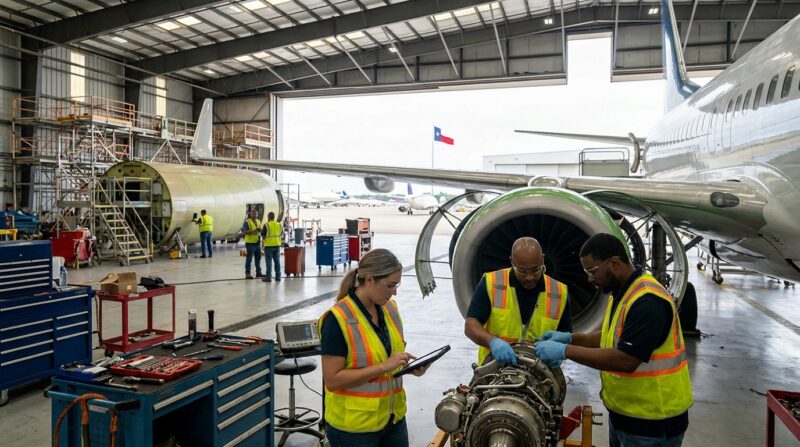
At the heart of aviation maintenance lies the Airframe and Powerplant (A&P) certification, a foundational requirement for many roles. Technicians with A&P licenses are trained to inspect, maintain, and repair aircraft structures, engines, and related systems. This includes proficiency in:
- Engine Systems: Understanding turbine and piston engines, fuel systems, lubrication, and exhaust systems. This involves diagnostic skills to identify and rectify engine malfunctions.
- Airframe Structures: Knowledge of aircraft skin, fuselage, wings, landing gear, and control surfaces. This includes expertise in structural repair, riveting, and composite material handling.
- Aircraft Systems: Familiarity with hydraulic, pneumatic, electrical, and environmental control systems. This often involves troubleshooting complex interconnected systems.
- Preventive Maintenance: Implementing routine inspections, servicing, and component replacements to ensure aircraft airworthiness and prevent potential failures.
The demand for these core competencies is amplified by the sheer volume of aircraft operating across the state and the nation, all of which require regular maintenance to ensure safety and operational efficiency.
Specialized Skills in Avionics and Electronics
Modern aircraft are increasingly reliant on sophisticated avionics and electronic systems. Technicians specializing in these areas are in high demand, capable of installing, testing, troubleshooting, and repairing complex communication, navigation, and flight control systems. This includes expertise in:
- Digital Systems and Networking: Understanding data buses, network protocols, and integrated flight decks.
- Avionics Components: Working with radar, GPS, autopilot systems, flight management systems (FMS), and weather detection equipment.
- Wiring and Soldering: Precision in electrical connections, troubleshooting circuit boards, and ensuring the integrity of complex wiring harnesses.
- Software and Firmware: Increasingly, technicians may need to interact with or update aircraft software and firmware.
The integration of AI and advanced sensor technologies into new aircraft designs further elevates the need for technicians with a strong background in electronics and digital systems.
Emerging Skill Requirements: Composites, Drones, and Space
As the aerospace industry evolves, so do the required skill sets. The increasing use of lightweight composite materials in aircraft construction necessitates technicians trained in their repair and fabrication. Similarly, the rapid growth of the Unmanned Aerial Vehicle (UAV) sector, encompassing everything from commercial delivery drones to advanced military surveillance platforms, requires technicians with specialized knowledge in drone assembly, maintenance, and operation.
Furthermore, Texas’s burgeoning space sector is creating a demand for technicians with expertise in:
- Rocketry and Propulsion Systems: Understanding the complexities of rocket engines, fuel systems, and launch operations.
- Satellite Systems: Expertise in satellite assembly, testing, and on-orbit maintenance.
- Advanced Materials: Working with cutting-edge materials used in spacecraft, often in extreme environments.
- Robotics and Automation: Proficiency in operating and maintaining robotic systems used in manufacturing and assembly.
These specialized areas represent the future of the aerospace industry, and proactive development of training programs to address these needs is crucial for Texas to maintain its competitive edge.
Bridging the Gap: CTE Programs and Workforce Development
Recognizing the critical need for skilled aviation technicians, Texas is leveraging its robust Career and Technical Education (CTE) system and implementing targeted workforce development initiatives. The goal is to create a seamless pipeline from education to employment, ensuring that the state’s growing aerospace industry has access to the talent it requires.
The Role of Texas CTE in Aviation Training
Texas CTE programs are at the forefront of preparing the next generation of aviation technicians. High schools and community colleges across the state offer specialized courses and programs designed to provide students with foundational knowledge and hands-on experience in aviation mechanics, electronics, and related fields. These programs are often developed in close collaboration with industry partners to ensure curriculum relevance and alignment with employer needs.
Key aspects of CTE’s contribution include:
- Foundational Skills: Providing students with an introduction to aviation principles, basic mechanics, tool usage, and safety protocols.
- Hands-on Training: Offering practical experience with aircraft components, engine systems, and electronic testing equipment.
- Industry Certifications: Preparing students for valuable industry certifications, such as A&P prerequisites, which significantly enhance their employability.
- Partnerships with Colleges: Creating pathways for students to seamlessly transition to post-secondary aviation technology programs, often with articulated credits.
- Early Exposure to Industry: Facilitating internships, apprenticeships, and job shadowing opportunities with local aerospace companies.
For example, numerous school districts have established partnerships with local airports and aviation businesses to offer dual-credit courses or provide students with direct access to industry professionals and facilities. This practical exposure is invaluable for career exploration and skill development.
State and Federal Funding for Aviation Workforce Initiatives
The U.S. Department of Labor and the Texas Workforce Commission (TWC) are investing significant resources to support the development of a skilled aviation workforce. These funds are crucial for expanding training programs, developing new curricula, and providing financial assistance to students pursuing aviation-related careers.
Funding streams often support:
- Program Development and Expansion: Grants to CTE programs and community colleges to purchase new equipment, develop specialized courses, and increase enrollment capacity in aviation technology programs.
- Apprenticeship Programs: Funding to establish and expand registered apprenticeship programs, which provide on-the-job training and mentorship, leading to full journeyman status.
- Scholarships and Financial Aid: Direct financial assistance to students to cover tuition, fees, and living expenses, making aviation careers more accessible.
- Curriculum Modernization: Support for updating training materials to reflect the latest technological advancements and industry best practices.
- Industry Partnerships: Grants designed to foster collaboration between educational institutions and aerospace employers to ensure training alignment and job placement.
For instance, the TWC actively promotes and supports registered apprenticeships across various high-demand sectors, including aerospace. These programs are often co-designed with employers to meet specific skill needs, leading to guaranteed job opportunities upon completion. Recent legislative efforts have also focused on enhancing funding for STEM education and workforce development, with a particular emphasis on industries experiencing rapid growth like aerospace.
Collaboration with Industry: A Vital Partnership
The success of Texas aviation technician jobs is intrinsically linked to the strength of the collaboration between educational institutions and the aerospace industry. This partnership ensures that training programs are relevant, that graduates possess the in-demand skills employers are seeking, and that there is a clear pathway to employment.
Key elements of this collaboration include:
- Industry Advisory Boards: Aerospace companies actively participate in advisory boards for CTE programs, providing input on curriculum, equipment needs, and emerging skill requirements.
- Guest Lecturers and Mentors: Industry professionals share their expertise by guest lecturing in classrooms, mentoring students, and providing career guidance.
- Internships and Co-op Programs: Companies offer internships and co-op opportunities that provide students with invaluable real-world experience and a potential stepping stone to full-time employment.
- Equipment Donations and Sponsorships: Businesses often donate equipment or provide financial sponsorships to CTE programs, helping them acquire the latest technologies and training tools.
- Job Placement Assistance: Educational institutions work closely with employers to facilitate job fairs, recruitment events, and direct placement of graduates into open positions.
This symbiotic relationship is vital. Without it, training programs risk becoming outdated, and employers would struggle to find the qualified candidates they need to fuel their growth. The proactive engagement of companies like Boeing, Lockheed Martin, Bell Flight, and numerous smaller suppliers in Texas’s aerospace ecosystem is a testament to the importance of this collaborative approach.
The recent surge in Texas’s aerospace industry has significantly increased the demand for skilled aviation technicians, highlighting the need for effective training programs. A related article discusses innovative approaches to teaching coding and technical skills, which are essential for preparing the next generation of technicians in this rapidly evolving field. For more insights on how educational tools can enhance technical training, you can read the article here: innovative approaches to teaching coding. This connection underscores the importance of integrating modern educational techniques to meet the workforce demands of the aerospace sector.
Industry Implications and Future Outlook
The expanding aerospace sector in Texas is not just creating jobs; it is reshaping the state’s economic landscape and solidifying its position as a national leader in aviation and space. The implications for industry are profound, influencing everything from supply chain dynamics to technological innovation.
Economic Impact and Job Creation
The growth of the aerospace industry in Texas is a significant economic driver, creating high-paying jobs and contributing billions of dollars to the state’s Gross Domestic Product (GDP). The demand for aviation technicians is a cornerstone of this economic expansion, supporting not only direct employment within manufacturing and MRO facilities but also a ripple effect throughout the economy, supporting related industries and services.
According to recent reports, the aerospace and defense industry in Texas supports hundreds of thousands of jobs, both directly and indirectly. The need for skilled technicians is a critical component of maintaining and expanding this workforce. As new facilities come online and existing ones ramp up production, the creation of Texas aviation technician jobs is projected to continue its upward trajectory. This sustained demand ensures economic stability and growth for communities across the state that are home to these aerospace hubs.
Technological Advancements and Innovation
The pursuit of cutting-edge technologies in aerospace necessitates a highly skilled workforce capable of working with advanced materials, sophisticated avionics, and complex manufacturing processes. As Texas continues to attract and foster innovation in areas such as sustainable aviation, electric propulsion, and autonomous flight systems, the demand for technicians with specialized knowledge in these emerging fields will only intensify.
This includes technicians proficient in:
- Additive Manufacturing (3D Printing): Working with advanced materials and processes for fabricating aircraft components.
- Sustainable Aviation Fuels (SAF) Integration: Understanding the systems required to utilize and maintain aircraft designed for SAF.
- Advanced Composites: Expertise in the manufacturing, inspection, and repair of lightweight, high-strength composite materials.
- Digital Twin Technology: Technicians may increasingly interact with digital representations of aircraft for maintenance and performance analysis.
The state’s commitment to research and development, coupled with its growing aerospace workforce, positions Texas to be a leader in these transformative technological advancements.
Maintaining Competitiveness in a Global Market
In the highly competitive global aerospace market, a skilled and readily available workforce is a critical differentiator. Texas’s ability to meet the demand for aviation technicians directly impacts its attractiveness to existing and prospective aerospace companies. A robust pipeline of qualified talent ensures that manufacturers can maintain production schedules, MRO providers can efficiently service aircraft, and the state can continue to secure significant aerospace contracts.
The Texas aviation technician jobs landscape is therefore not just about individual career opportunities but also about the state’s broader economic competitiveness. By proactively addressing the workforce gap through effective CTE programs and strategic partnerships, Texas can solidify its position as a premier destination for aerospace investment and innovation, ensuring long-term prosperity and leadership in this vital sector.
The recent growth in Texas’s aerospace sector has significantly increased the demand for skilled aviation technicians, as highlighted in various industry reports. This expansion is not only transforming the job market but also creating opportunities for workforce development initiatives. For instance, a related article discusses how the Build Back Better Regional Challenge aims to enhance local economies by investing in advanced manufacturing and technology sectors, which includes aerospace. You can read more about this initiative and its implications for workforce training in the article found here.
Practical Takeaways and The Path Forward
The burgeoning aerospace industry in Texas presents a clear call to action for educators, administrators, industry leaders, and policymakers. Understanding the immediate and long-term needs is crucial for developing effective strategies to meet the growing demand for skilled aviation technicians.
For CTE Educators and Administrators
- Curriculum Alignment: Continuously review and update CTE curricula to align with current industry needs and emerging technologies. Engage actively with industry advisory boards.
- Hands-on Training Emphasis: Prioritize hands-on learning experiences, ensuring students have access to modern equipment and realistic training scenarios.
- Industry Partnerships: Strengthen and expand partnerships with local aerospace companies for internships, guest lectures, equipment donations, and curriculum input.
- Teacher Professional Development: Invest in ongoing professional development for CTE instructors to keep them abreast of the latest industry trends and technologies.
- Promote Aviation Careers: Actively market aviation technology programs to students, highlighting the high demand, competitive salaries, and diverse career pathways.
For Industry Leaders and Employers
- Invest in Apprenticeships: Develop and expand registered apprenticeship programs to train and retain skilled technicians.
- Support CTE Programs: Provide financial support, equipment donations, and mentorship opportunities to local CTE programs and community colleges.
- Offer Internships and Co-ops: Create robust internship and co-op programs to provide students with valuable on-the-job training and a pathway to employment.
- Collaborate on Curriculum: Actively participate in curriculum development to ensure that training programs meet specific workforce needs.
- Provide Clear Career Pathways: Outline clear career progression opportunities and salary expectations for aviation technicians within your organization.
For Policymakers and Workforce Development Professionals
- Increase Funding: Advocate for sustained and increased state and federal funding for CTE programs and aviation workforce development initiatives.
- Streamline Certification Pathways: Support initiatives that streamline the process for obtaining industry-recognized certifications.
- Promote Public-Private Partnerships: Facilitate and incentivize collaboration between educational institutions and industry to address workforce shortages.
- Data Collection and Analysis: Invest in robust data collection and analysis to track workforce trends, identify skill gaps, and inform policy decisions.
- Marketing and Outreach: Support statewide marketing campaigns to promote the benefits and opportunities within the aerospace sector, particularly Texas aviation technician jobs.
Conclusion
The expansion of the aerospace industry in Texas represents a significant economic opportunity, but its full potential can only be realized through a dedicated and skilled workforce. The growing demand for aviation technicians is a critical challenge that requires a concerted and collaborative effort from all stakeholders. By investing in robust CTE programs, fostering strong industry partnerships, and implementing strategic workforce development initiatives, Texas can ensure a thriving aerospace sector for decades to come, providing fulfilling and well-compensated careers for its citizens and solidifying its position as a global leader in aviation and space. The path forward is clear: a commitment to education, collaboration, and innovation is essential to harness the full potential of this dynamic industry.
Frequently Asked Questions (FAQs)
Q1: What is the average salary for an aviation technician in Texas?
A1: Salaries for aviation technicians in Texas can vary based on experience, certifications, location, and employer. However, entry-level positions often start in the $40,000-$50,000 range, with experienced A&P mechanics and specialized technicians earning significantly more, potentially exceeding $70,000-$90,000 annually, especially with advanced certifications or in high-demand roles.
Q2: What are the typical work environments for aviation technicians in Texas?
A2: Aviation technicians in Texas typically work in hangars at airports, manufacturing facilities, maintenance, repair, and overhaul (MRO) depots, and sometimes in specialized aerospace research and development labs. Some roles may involve travel for on-site repairs or fleet support.
Q3: How long does it typically take to become a certified aviation technician in Texas?
A3: To become a certified Airframe and Powerplant (A&P) mechanic, individuals typically need to complete an FAA-approved aviation maintenance technician school program, which usually takes 18-24 months. Following this, they must pass FAA written, oral, and practical exams. Apprenticeship programs can also provide a pathway, often taking a similar duration.