A New Era in High-Tech Workforce Development Dawns in Florida
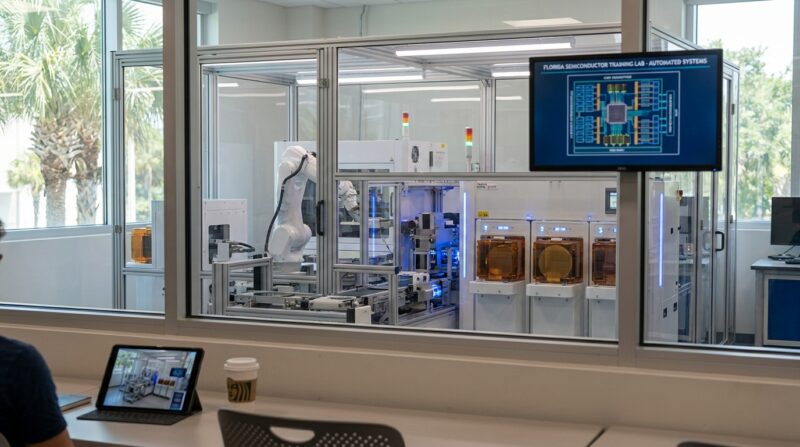
Daytona State College is poised to revolutionize semiconductor workforce development with the imminent launch of its cutting-edge, fully automated semiconductor training lab. This groundbreaking initiative, slated for a grand opening soon, represents a significant leap forward in preparing students for high-demand careers in the rapidly expanding microelectronics industry. The college has secured substantial funding, including a crucial $5 million grant from the U.S. Department of Commerce’s National Science Foundation (NSF) through the CHIPS and Science Act, underscoring the national imperative to bolster domestic semiconductor manufacturing and talent pipelines. This investment signifies a strategic move to address the critical shortage of skilled workers necessary to power the resurgence of American semiconductor production. The fully automated lab will provide an unparalleled hands-on learning experience, replicating real-world industry conditions and equipping graduates with the precise skills employers are actively seeking. This development is not merely a local achievement; it is a vital component of a broader national strategy to secure economic and national security through technological sovereignty.
Florida College’s recent introduction of a fully automated semiconductor training lab marks a significant advancement in technical education, aligning with the growing demand for skilled workers in the semiconductor industry. This initiative is part of a broader trend towards automation and Industry 4.0, which is transforming manufacturing processes across various sectors. For a deeper understanding of how automation is reshaping industries, you can read more in the article on Automation Alley and Industry 4.0 implementation at this link.
The Urgent Need for a Skilled Semiconductor Workforce
The global demand for semiconductors, the microscopic brains of virtually every electronic device, has surged dramatically. From smartphones and computers to advanced medical equipment and defense systems, these tiny chips are indispensable. However, the United States has faced significant challenges in maintaining its leadership in semiconductor manufacturing, with a substantial portion of production historically outsourced. This dependency was starkly highlighted by recent global supply chain disruptions, underscoring the urgent need for increased domestic production capabilities and, crucially, a robust and highly skilled workforce to operate and innovate within this complex sector.
The CHIPS and Science Act of 2022 was enacted precisely to address these vulnerabilities. This landmark legislation allocates billions of dollars towards incentivizing domestic semiconductor manufacturing, research and development, and, critically, workforce training. The funding directed towards institutions like Daytona State College is a direct manifestation of this national commitment. The act recognizes that advanced manufacturing facilities are only as effective as the skilled personnel who operate them. Without a pipeline of qualified engineers, technicians, and skilled laborers, even the most advanced fabrication plants would remain idle.
Addressing the Talent Gap: A National Priority
The shortage of skilled workers in the semiconductor industry is not a theoretical concern; it is a tangible bottleneck impacting production and innovation. According to industry analyses, the semiconductor sector requires tens of thousands of new workers annually to meet projected growth. This includes a diverse range of roles, from highly specialized PhD-level researchers and engineers to skilled manufacturing technicians who operate complex machinery on the production floor.
The current educational and training infrastructure, while striving to meet demand, has often lagged behind the rapid pace of technological advancement in the semiconductor field. Traditional academic programs, while foundational, may not always provide the hyper-specific, hands-on experience required for the intricate processes involved in microchip fabrication, assembly, and testing. This is where innovative initiatives like Daytona State College’s automated lab become indispensable.
The Role of the CHIPS and Science Act
The $5 million grant awarded to Daytona State College is a significant portion of the NSF’s broader efforts to cultivate a domestic semiconductor workforce. The CHIPS and Science Act aims to create a multi-pronged approach, supporting everything from basic research to advanced manufacturing and the educational infrastructure needed to sustain these advancements. The act’s emphasis on workforce development reflects a bipartisan understanding that technological leadership is intrinsically linked to human capital.
This federal investment is designed to catalyze the creation of state-of-the-art training facilities, develop curricula that are aligned with industry needs, and forge strong partnerships between educational institutions and semiconductor companies. The goal is to ensure that students graduating from these programs are not only well-versed in the theoretical underpinnings of semiconductor technology but are also proficient in the practical skills demanded by the industry, making them immediately valuable to employers.
Daytona State College’s Vision: An Automated Future for Training
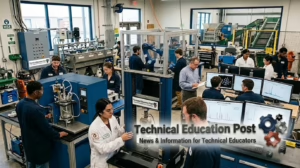
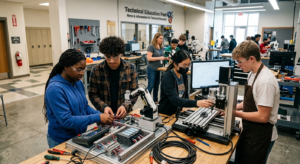
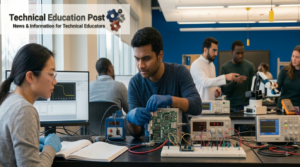
Daytona State College’s new semiconductor training lab is not just an upgrade; it’s a paradigm shift. The “fully automated” aspect is key. This signifies an environment where students will interact with and operate machinery that mirrors the highly sophisticated and automated processes found in modern semiconductor fabrication plants, often referred to as “fabs.” This hands-on experience, in a controlled yet realistic setting, is invaluable for skill development.
The lab will house advanced equipment for various stages of semiconductor processing, including photolithography, etching, deposition, and testing. By simulating these complex industrial environments, students will gain practical experience in operating, maintaining, and troubleshooting cutting-edge machinery. This approach moves beyond theoretical knowledge to cultivate a deep understanding of the practical realities of semiconductor manufacturing.
Mimicking Industry-Standard Operations
The core innovation of the Daytona State College lab lies in its ability to replicate the precise operational protocols and technological sophistication of an actual semiconductor fabrication facility. This includes the use of cleanroom environments, specialized equipment designed for micro- and nano-fabrication, and automated material handling systems. Students will learn to navigate the stringent requirements of cleanroom protocols, manage the intricate steps of wafer processing, and understand the critical role of automation in ensuring precision, efficiency, and yield.
This level of simulation is crucial because the semiconductor industry operates with extremely tight tolerances and requires meticulous attention to detail. Errors in any stage of fabrication can result in the rejection of entire batches of chips, leading to significant financial losses. Therefore, training that provides a genuine feel for these operational demands is paramount to producing competent technicians and engineers.
The Significance of Automation in Training
Automation plays a dual role in this training lab. Firstly, it allows for the simulation of highly automated industrial processes that students will encounter in their careers. Secondly, the lab itself may incorporate automated elements for efficient operation and data collection, providing students with insights into the management of automated systems. This prepares them not only to operate the machines but also to understand the broader ecosystem of automated manufacturing, including programming, diagnostics, and process optimization.
The focus on automation addresses the evolving nature of the semiconductor industry, where human intervention is increasingly focused on higher-level tasks such as process control, quality assurance, and troubleshooting, rather than manual operation of individual machines. By training on automated systems, students develop the critical thinking and problem-solving skills needed to thrive in such environments.
Curriculum and Skill Development: Bridging the Gap
The curriculum developed for Daytona State College’s semiconductor training program is a direct response to industry needs, meticulously crafted in collaboration with sector leaders. The aim is to ensure that graduates possess a comprehensive skillset that makes them immediately employable and valuable to semiconductor companies. This includes not only technical proficiency but also an understanding of quality control, safety protocols, and the economic factors influencing production.
The program will likely offer a range of certifications and degree pathways, catering to different levels of expertise and career aspirations. This could include associate degrees for skilled technicians and potentially pathways towards bachelor’s degrees or specialized graduate programs for aspiring engineers and researchers. The focus will be on practical, hands-on learning, supplemented by theoretical instruction.
Practical Skills for Immediate Employment
Graduates from Daytona State College’s program will be equipped with a suite of practical skills highly sought after in the semiconductor industry. These may include:
- Wafer Fabrication Processes: Understanding and operating equipment for deposition, etching, lithography, and other key fabrication steps.
- Cleanroom Protocols: Adherence to stringent environmental controls and procedures to prevent contamination.
- Equipment Operation and Maintenance: Proficiency in running and maintaining complex semiconductor manufacturing machinery.
- Process Monitoring and Control: Learning to monitor key process parameters and make adjustments to ensure optimal yield and quality.
- Troubleshooting and Problem-Solving: Identifying and resolving issues that arise during the manufacturing process.
- Quality Assurance: Implementing and adhering to quality control measures to ensure product integrity.
- Safety Regulations: Understanding and complying with industry-specific safety standards.
- Data Analysis: Basic understanding of how to interpret process data to identify trends and areas for improvement.
Industry Partnerships: A Symbiotic Relationship
A cornerstone of successful workforce development programs is strong collaboration with industry partners. Daytona State College is actively engaging with semiconductor manufacturers and related businesses in Florida and beyond. These partnerships are vital for several reasons:
- Curriculum Relevance: Industry input ensures that the training curriculum remains aligned with the latest technological advancements and employer needs.
- Internship and Co-op Opportunities: Partnerships facilitate real-world work experiences for students, providing invaluable practical exposure and networking opportunities.
- Job Placement: Strong industry ties enhance job placement rates for graduates, creating a direct talent pipeline for employers.
- Equipment Donations and Expertise: Companies may contribute by donating equipment or offering their expertise to enhance the training program.
These collaborations create a symbiotic relationship where educational institutions train the workforce that industries need, and industries provide the practical experience and employment opportunities that students seek. This ensures that the investment in training translates directly into economic growth and industry competitiveness.
Florida College’s recent initiative to introduce a fully automated semiconductor training lab marks a significant step forward in technical education. This innovative facility aims to equip students with hands-on experience in semiconductor manufacturing, which is crucial in today’s technology-driven economy. For those interested in exploring more about advancements in educational facilities and their impact on various fields, a related article can be found here. This resource provides insights into how educational institutions are adapting to meet the demands of modern industries.
The Broader Economic and National Security Implications
The establishment of advanced semiconductor training facilities like the one at Daytona State College has far-reaching implications, extending beyond individual career opportunities to impact regional economic development and national security. By fostering a skilled domestic workforce, the United States can reduce its reliance on foreign semiconductor supply chains, enhancing its economic resilience and technological independence.
The presence of such a training hub can also attract new semiconductor companies and related industries to the region, stimulating job creation and economic diversification. This creates a virtuous cycle of investment, innovation, and employment. Furthermore, a robust domestic semiconductor industry is considered a strategic imperative for national security, ensuring that the U.S. has access to the advanced microelectronics necessary for its defense systems and critical infrastructure.
Driving Regional Economic Growth
Florida, and specifically the Central Florida region, stands to benefit significantly from this investment in semiconductor training. The establishment of a highly skilled workforce will make the area more attractive to existing semiconductor companies looking to expand and to new companies seeking to establish operations. This can lead to:
- Job Creation: Direct jobs in manufacturing, R&D, and support roles, as well as indirect jobs in ancillary industries.
- Increased Investment: Attraction of capital from companies and investors seeking to capitalize on the skilled talent pool.
- Innovation Ecosystem: Fostering an environment where research, development, and manufacturing can converge, leading to further innovation.
- Economic Diversification: Reducing reliance on traditional industries and building a strong presence in the high-tech sector.
The impact of such initiatives can ripple throughout the local economy, creating opportunities for small businesses, service providers, and the broader community.
Strengthening National Technological Sovereignty
In an increasingly interconnected world, access to advanced technology is paramount. Semiconductors are the bedrock of this technological advancement. A concentrated reliance on foreign nations for chip production creates vulnerabilities in supply chains that can be exploited during geopolitical tensions or global crises.
The CHIPS and Science Act and its subsequent investments in training are aimed at re-establishing American leadership in semiconductor manufacturing. By investing in education and workforce development, the U.S. is ensuring that it has the intellectual capital and practical expertise to design, manufacture, and innovate at the forefront of this critical industry. This strengthens national technological sovereignty, ensuring that the nation’s defense, critical infrastructure, and economic competitiveness are not held hostage by external dependencies.
Florida College’s recent launch of a fully automated semiconductor training lab is a significant step forward in addressing the growing demand for skilled workers in the tech industry. This initiative aligns with similar efforts across the country, such as Ivy Tech’s program that offers $1,500 scholarships for CNC machinist career training, which aims to equip students with essential skills for high-demand manufacturing jobs. For more information on this scholarship program, you can read the article here. By investing in education and training, these institutions are helping to create a robust workforce ready to tackle the challenges of the future.
Frequently Asked Questions (FAQs)
What types of jobs can graduates expect after completing this program?
Graduates can expect a range of roles including Semiconductor Manufacturing Technicians, Process Technicians, Equipment Technicians, Quality Control Inspectors, and potentially entry-level Engineering Technicians, depending on the specific program pathway and educational attainment.
How does this automated lab differ from traditional training methods?
The fully automated lab provides hands-on experience with industry-standard, highly automated equipment in a simulated cleanroom environment, mirroring real-world fabrication processes. This offers a practical, skills-based learning experience that goes beyond theoretical classroom instruction.
What are the career outlook and salary expectations for semiconductor technicians?
The career outlook for semiconductor technicians is exceptionally strong, with high demand projected for the foreseeable future. Salary expectations can vary based on experience, location, and specific employer, but often range from $50,000 to $80,000 annually for entry-level to mid-level technicians, with significant potential for growth.
How can I learn more about enrolling in these programs?
Interested individuals should visit the Daytona State College website or contact their admissions department for detailed information on program offerings, eligibility requirements, application procedures, and financial aid options.
What is the role of the CHIPS and Science Act in this initiative?
The CHIPS and Science Act is a U.S. federal law that provides significant funding and incentives to bolster domestic semiconductor manufacturing and research. The $5 million grant from the National Science Foundation to Daytona State College is a direct allocation from this act, specifically aimed at developing the skilled workforce needed for the semiconductor industry.
Conclusion: A Foundation for the Future
Daytona State College’s introduction of a fully automated semiconductor training lab marks a pivotal moment in the effort to build a robust and skilled American semiconductor workforce. Fueled by significant federal investment through the CHIPS and Science Act, this initiative promises to deliver graduates equipped with the precise skills needed to thrive in a technologically advanced industry. By bridging the gap between education and industry, and by fostering regional economic growth and national technological sovereignty, this program serves as a model for future workforce development endeavors. The college’s commitment to hands-on, realistic training in an automated environment is not just preparing students for jobs; it is shaping the future of American innovation and manufacturing in a sector critical to our nation’s prosperity and security.