Follow & Share
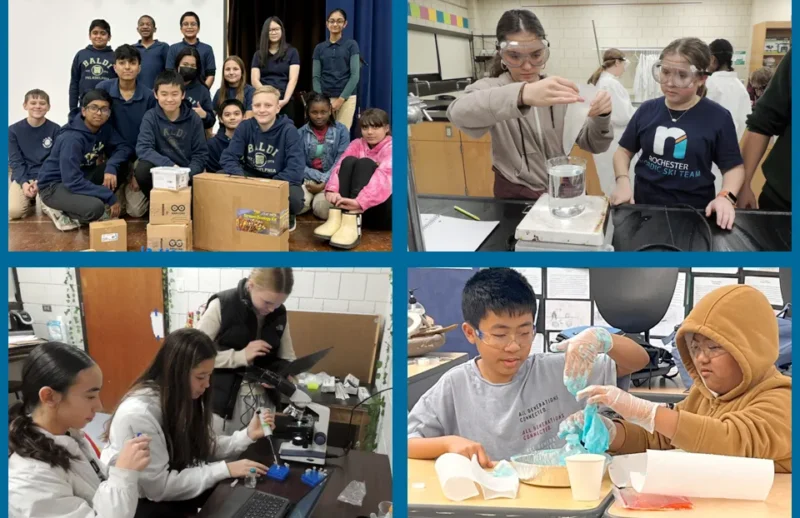
In an era defined by rapid technological advancement, the foundation of a child’s education is increasingly built on Science, Technology, Engineering, and Mathematics (STEM). However, access to high-quality STEM resources is not always equitable. Recognizing this gap, the Akamai Foundation established the Early Learner STEM Education Grant, a global initiative designed to spark curiosity in young minds and build a more diverse, inclusive future for the tech industry. For educators, nonprofit leaders, and community organizers, understanding the nuances of this grant—and others like it—is the first step toward transforming a classroom or a community center into a hub of innovation. Empowering STEM Education Grants.
The Mission: Diversity and Digital Equity
The primary objective of the Early Learner STEM Education Grant is to reach students during their most formative years. While many corporate grants focus on university-level research or late-stage internships, the Akamai Foundation targets the K–12 bracket (ages 5–19). The philosophy is simple: to create a diverse workforce tomorrow, we must inspire a diverse group of children today.
The grant prioritizes programs that serve underrepresented populations, including girls, students of color, and those in socioeconomically disadvantaged areas. By focusing on “digital equity,” the foundation seeks to ensure that a child’s zip code does not determine their level of technological literacy.
Grant Specifics for the 2026 Cycle
As we move through 2026, the Akamai Foundation continues its commitment to global STEM excellence. For organizations looking to apply, here are the core components of the program:
Funding Scope
The grant awards typically range from $575 to $50,000. This wide range allows the foundation to support everything from localized, grassroots workshops to large-scale, multi-school initiatives. Whether a program needs a few sets of robotics kits or a complete overhaul of its computer lab, there is a tier of funding available.
Core Focus Area
While “STEM” is a broad term, the 2026 grant cycle places a heavy emphasis on several trending and critical sectors:
- Mathematics Excellence: Building the foundational logic skills required for all other STEM fields.
- Cybersecurity Education: Teaching students how to navigate the digital world safely and ethically.
- AI Skill Development: Introducing the basics of artificial intelligence and machine learning to demystify the technology shaping our world.
The Application Timeline
The Akamai Foundation typically operates on a Q1 (first quarter) cycle. For the current year, the application portal generally opens in March. Decisions are made quickly, often by late spring, allowing organizations to plan their curriculum for the following academic year.
Beyond Akamai: A Landscape of Opportunity
While the Akamai grant is a prestigious option, it is part of a larger ecosystem of funding dedicated to early learners. Organizations seeking to diversify their funding should also look toward these notable alternatives:
- The Glenn W. Bailey Foundation: This foundation is particularly interested in the “early” side of early learning. Their program grants focus on fostering a genuine love for learning in young children, ensuring that STEM is seen as a fun, creative outlet rather than a daunting academic chore.
- MiSTEM Network (Regional Focus): For those based in Michigan, the MiSTEM Network offers grants up to $50,000. These are highly regarded for encouraging “place-based” learning, where STEM concepts are tied to local industries and environmental issues.
- Project Lead The Way (PLTW): PLTW is a powerhouse in the educational space. Their grants are specifically designed to help schools implement their proprietary, world-class STEM curricula, covering both the cost of materials and the necessary teacher training.
Tips for a Successful Proposal
Securing a STEM grant is competitive. To stand out, applicants should move beyond just listing “needs” and instead focus on “outcomes.”
- Be Specific About Demographics: Don’t just say you serve “at-risk youth.” Provide data on the community you serve and explain exactly how this grant will bridge the gap for them.
- Highlight Scalability: Grantors love to see that their money will have a lasting impact. Can your program be replicated next year? Can it grow to serve more students?
- Incorporate “Real World” Tech: Proposals that include modern concepts like AI, data privacy, or renewable energy often rank higher than those sticking to traditional, outdated curriculum models.
The Long-Term Impact
The Early Learner STEM Education Grant is more than just a financial transaction; it is an investment in human potential. By providing 5-year-olds with their first coding experience or 15-year-olds with their first cybersecurity workshop, these grants dismantle the barriers to entry in the tech world.
As the 2026 application windows approach, now is the time for nonprofits to sharpen their visions. Through the partnership of corporate foundations and dedicated educators, the next generation of engineers, scientists, and innovators is being built—one classroom at a time.
Follow & Share