Healthcare Education: Best Practices and Its Role in Closing the Skills Gap
Healthcare systems worldwide are facing an increasing shortage of skilled professionals. Rapid technological advancement, aging populations, and growing patient demand are putting pressure on hospitals and healthcare providers to deliver quality care with limited staff. As a result, healthcare education has become a critical strategy for strengthening the workforce and closing the skills gap. By adopting modern educational approaches, healthcare institutions can better prepare professionals, improve patient outcomes, and ensure the sustainability of healthcare systems. The Importance of Healthcare Education.
The Growing Healthcare Skills Gap
The global healthcare workforce shortage is a pressing challenge. The World Health Organization estimates that the world could face a deficit of approximately 18 million healthcare workers by 2030, particularly in low- and middle-income countries. This shortage places significant strain on healthcare systems and increases the workload for existing professionals.
Several factors contribute to this skills gap, including an aging workforce, limited training capacity, and rising demand for specialized care. In many countries, the number of applicants to medical schools significantly exceeds available positions, highlighting structural limitations in healthcare education systems.
Additionally, burnout and high turnover rates further exacerbate workforce shortages. Without sufficient opportunities for training and professional development, healthcare workers may struggle to keep up with new technologies, evolving treatment protocols, and complex patient needs. Investing in education and upskilling is therefore essential to address both recruitment and retention challenges.
The Importance of Healthcare Education
Healthcare education serves as the foundation for building a competent workforce. It ensures that healthcare professionals possess the clinical knowledge, technical skills, and ethical understanding necessary to provide safe and effective care.
A well-designed healthcare education system offers multiple benefits. First, it helps develop the competencies required for modern healthcare environments, which increasingly rely on interdisciplinary collaboration and advanced technologies. Second, it prepares workers to respond to public health emergencies and evolving healthcare needs. Finally, ongoing training allows professionals to adapt to new medical innovations and treatment methods throughout their careers.
Education also contributes to workforce stability. When healthcare organizations invest in training programs and career development opportunities, employees tend to feel more valued and engaged. This can improve job satisfaction and reduce staff turnover, which is critical in sectors facing persistent workforce shortages.
Best Practices in Healthcare Education
To effectively close the skills gap, healthcare education programs must adopt innovative and practical approaches. Several best practices have emerged that help improve learning outcomes and workforce readiness.
1. Emphasizing Hands-On and Simulation-Based Learning
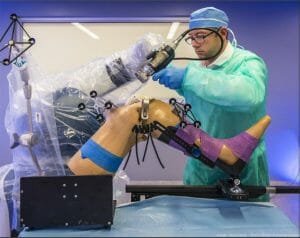
Practical experience is essential in healthcare training. Simulation-based education, including the use of mannequins, virtual reality environments, and clinical scenarios, allows students to practice complex procedures in a safe environment. These technologies enable learners to build confidence and refine their clinical decision-making skills before working with real patients.
Simulation training is particularly valuable for high-risk medical procedures where mistakes can have serious consequences. By recreating realistic medical situations, healthcare professionals can gain experience and improve their performance without endangering patient safety.
2. Integrating Technology and Digital Learning
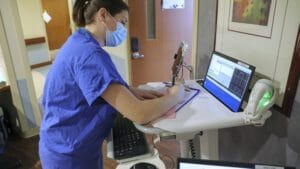
The rapid adoption of digital health technologies has transformed healthcare delivery. Electronic health records, artificial intelligence tools, and telemedicine platforms are now common in clinical practice. As a result, healthcare education programs must integrate digital literacy and technological skills into their curricula.
Training programs increasingly incorporate artificial intelligence, data analysis, and digital health tools to prepare future professionals for technology-driven healthcare environments. Educating clinicians on how to use these tools responsibly and effectively helps improve clinical decision-making and reduce administrative burdens.
Online learning platforms and digital resources also make education more accessible. Healthcare professionals can participate in virtual courses, webinars, and certification programs without leaving their workplaces, making continuous learning more practical.
3. Continuous Professional Development (CPD)
Healthcare education should not end with a degree or certification. Continuous professional development ensures that professionals remain up to date with evolving medical knowledge and best practices.
CPD programs typically include workshops, conferences, short courses, and online learning modules. These opportunities allow healthcare workers to expand their skills and adapt to changes in clinical practice. Continuous learning also helps organizations maintain high standards of patient care and improve overall healthcare quality.
Encouraging lifelong learning is particularly important in healthcare because medical knowledge evolves rapidly. New treatments, technologies, and guidelines are constantly emerging, requiring professionals to regularly update their expertise.
4. Strengthening Partnerships Between Healthcare Organizations and Educational Institutions
Collaboration between healthcare providers and educational institutions is another key strategy for improving workforce preparation. Partnerships allow training programs to align their curricula with real-world workforce needs.
Healthcare organizations can offer clinical placements, internships, and mentorship opportunities, enabling students to gain hands-on experience in clinical settings. In return, educational institutions can design programs that address specific workforce shortages and emerging skill requirements.
Such partnerships also help ensure that graduates are “job-ready” when entering the workforce. By aligning education with industry demands, training programs can reduce the gap between academic preparation and practical skills required in healthcare settings.
5. Promoting Interdisciplinary and Team-Based Learning
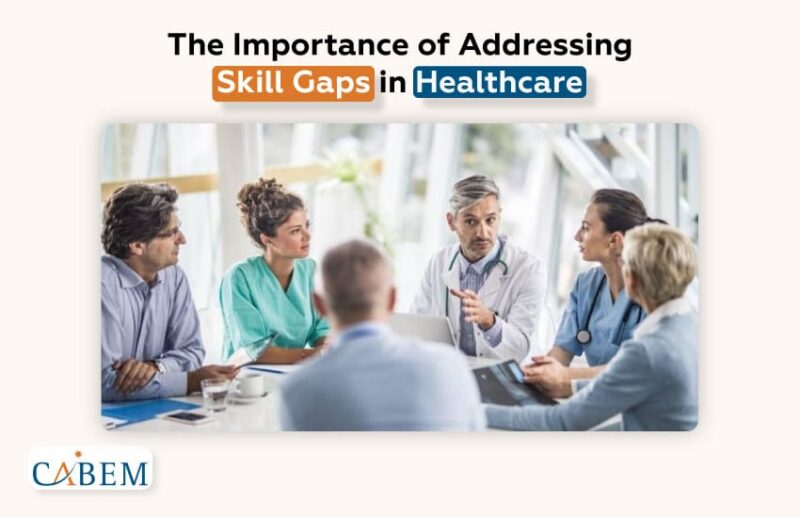
Modern healthcare relies heavily on teamwork. Doctors, nurses, pharmacists, therapists, and other professionals must collaborate effectively to provide comprehensive patient care.
Educational programs are increasingly emphasizing interdisciplinary learning, where students from different healthcare disciplines work together on case studies and clinical simulations. This approach helps develop communication, collaboration, and problem-solving skills, which are essential for efficient healthcare delivery.
By learning how to work as part of a team early in their education, healthcare professionals are better prepared to coordinate care and manage complex medical situations.
How Healthcare Education Helps Close the Skills Gap
Effective healthcare education directly contributes to narrowing the skills gap in several ways.
First, it expands the talent pipeline by training more professionals and equipping them with relevant skills. Increasing the capacity of educational programs and clinical training opportunities can significantly boost the number of qualified healthcare workers entering the workforce.
Second, education improves workforce productivity. Skilled healthcare professionals can perform tasks more efficiently and safely, reducing errors and improving patient outcomes. This efficiency helps healthcare organizations deliver better care even when staffing resources are limited.
Third, education supports workforce adaptability. As healthcare technologies and treatment methods evolve, professionals must continuously develop new competencies. Ongoing training ensures that the workforce remains capable of adapting to these changes.
Finally, strong educational systems encourage retention. Healthcare professionals who have access to professional development opportunities are more likely to remain in their roles and pursue long-term careers within the healthcare sector.
The Future of Healthcare Education
The future of healthcare education will likely be shaped by technological innovation, interdisciplinary collaboration, and flexible learning models. Emerging technologies such as artificial intelligence, virtual reality, and advanced simulation tools are transforming how healthcare professionals learn and practice their skills.
Educational institutions and healthcare organizations will need to continue adapting their programs to meet evolving workforce demands. By expanding training capacity, embracing digital learning tools, and fostering partnerships across the healthcare ecosystem, they can help ensure a well-prepared and resilient healthcare workforce.
Conclusion
Healthcare education plays a vital role in addressing the global skills gap within the healthcare sector. By implementing best practices such as simulation-based learning, continuous professional development, technology integration, and industry partnerships, educational programs can better prepare healthcare professionals for the challenges of modern medicine.
As healthcare demands continue to grow, investing in high-quality education and training will remain one of the most effective strategies for strengthening the workforce. Ultimately, improving healthcare education not only benefits healthcare professionals but also enhances patient care and supports the long-term sustainability of healthcare systems.
Source: The Importance of Healthcare Education
https://www.techedmagazine.com/category/industries/healthcare/
The Importance of Healthcare Education