
The Education and Workforce Committee’s portion of the “Big, Beautiful Bill” contains several promising elements that stand to significantly strengthen the United States’ educational systems and workforce development infrastructure. This section of the bill focuses on key areas such as expanding access to quality education, aligning education with the demands of a modern labor market, promoting lifelong learning, and ensuring equitable opportunities for all Americans. Funding to Expand and Modernize CTE.
Funding to Expand and Modernize CTE
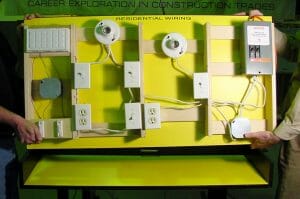
One of the most noteworthy aspects of this committee’s contribution is its emphasis on career and technical education (CTE). The bill allocates significant funding to expand and modernize CTE programs in high schools and community colleges, recognizing that not all students follow a traditional four-year college path. By investing in these programs, the bill helps prepare students for in-demand careers in skilled trades, advanced manufacturing, healthcare, and information technology. This emphasis supports both individual economic mobility and the broader national need for a skilled workforce.
Another strong feature is the bill’s commitment to apprenticeships and work-based learning. Through expanded partnerships between industry, educational institutions, and government, the legislation aims to increase the number of registered apprenticeships, providing hands-on experience alongside formal education. This model benefits both students and employers: students gain practical skills and a direct pathway into stable employment, while businesses develop a pipeline of job-ready talent tailored to their specific needs.
In higher education, the bill seeks to address affordability and student debt. By increasing federal support for Pell Grants and capping student loan interest rates, it opens the doors to college for more students, particularly from low- and middle-income backgrounds. It also includes provisions for funding institutions that serve historically underserved populations, such as Historically Black Colleges and Universities (HBCUs), Tribal Colleges, and Hispanic-Serving Institutions (HSIs), promoting greater equity in higher education.
The bill also recognizes the importance of early childhood education. By expanding access to pre-K programs and enhancing support for early childhood educators, it lays a strong foundation for lifelong learning. Early investment in education has long been shown to yield high returns, both in terms of individual outcomes and societal benefits such as reduced crime, increased productivity, and improved health.
Upskill and Reskill
Furthermore, the legislation encourages upskilling and reskilling among adult workers. As automation and technological advancements reshape the labor market, it’s crucial for workers to adapt to new demands. The bill supports community-based training programs and online learning platforms, making it easier for adults to learn new skills without leaving the workforce.
The bill includes funding to close the digital divide by providing students with access to devices and broadband internet, particularly in rural and underserved areas. It also addresses the needs of students with disabilities and English language learners, ensuring that no group is left behind in the push for educational excellence.
In sum, the Education and Workforce Committee’s portion of the Big, Beautiful Bill represents a forward-thinking and inclusive approach to reform. By investing in practical education, workforce readiness, and lifelong learning, it builds a stronger, more adaptable, and more equitable America.