
The landscape of education is in constant flux, and for good reason. As technology advances at an unprecedented pace and the demands of the modern workforce evolve, so too must the tools we equip our students with. At the forefront of this pedagogical shift lies Career and Technical Education (CTE), a vital pathway for cultivating skilled individuals ready to tackle the challenges and seize the opportunities of tomorrow. Yet, the effectiveness of CTE hinges on a robust and well-defined curriculum. Developing a comprehensive CTE curriculum guide isn’t merely an administrative task; it’s a strategic imperative that shapes the future of our students and, by extension, our society.
This isn’t about simply ticking boxes or adhering to outdated syllabi. A truly comprehensive CTE curriculum guide is a living document, a dynamic blueprint designed to foster innovation, adaptability, and deep, practical learning. It’s about ensuring that every student, regardless of their chosen path, is prepared not just for a job, but for a fulfilling and impactful career. In this in-depth exploration, we delve into the critical components and considerations that go into crafting such a guide, drawing insights from educational best practices and the ever-changing demands of the global economy.
Before a single lesson plan is drafted or a learning objective is articulated, the foundational purpose and scope of the CTE curriculum must be clearly established. This initial phase is paramount, as it sets the direction for all subsequent development and ensures alignment with broader educational goals and community needs. Without a well-defined purpose, a curriculum can become unfocused, diluted, and ultimately, less impactful.
Aligning with Educational Philosophy and Mission
Every educational institution, whether a K-12 school district or a post-secondary vocational program, operates under a specific philosophy and mission. A comprehensive CTE curriculum guide must seamlessly integrate with these overarching principles. Is the institution focused on fostering critical thinking, promoting lifelong learning, or addressing specific regional workforce needs? Understanding this philosophical underpinning helps to ensure that the CTE programs are not standalone entities but integral components of the institution’s educational ecosystem. For instance, a school prioritizing STEM innovation would naturally embed advanced technological skills and problem-solving methodologies within its CTE offerings.
Identifying Target Audiences and Their Needs
A crucial step in curriculum development is to meticulously identify the target audiences. This involves understanding the diverse backgrounds, prior knowledge, skill levels, and career aspirations of the students who will engage with the CTE programs. Are we designing for high school students exploring career options, individuals seeking to upskill for a career change, or those pursuing specialized technical certifications? Each audience will have unique learning needs and expectations.
For High School Students:
- Exploratory Pathways: Providing opportunities to explore a broad range of industries and occupations, allowing for informed career decision-making.
- Foundational Skills: Developing essential workplace skills, including communication, teamwork, problem-solving, and digital literacy.
- Early College Credit or Certifications: Offering pathways that can lead to post-secondary credit or industry-recognized certifications, accelerating their future educational or career pursuits.
For Adult Learners and Career Changers:
- Targeted Skill Development: Focusing on specific, in-demand skills that directly address current workforce shortages or emerging industry needs.
- Flexible Learning Modalities: Accommodating varied schedules and learning styles through online, hybrid, or evening/weekend programs.
- Prior Learning Assessment: Recognizing and valuing existing competencies and experiences to streamline the learning process.
Addressing Industry Demands and Future Trends
The very essence of CTE lies in its direct relevance to the world of work. Therefore, a comprehensive curriculum guide must be deeply rooted in current and projected industry demands. This requires ongoing research and collaboration with industry professionals, labor market data analysis, and a keen eye on emerging technological and economic trends. Ignoring these external forces risks creating programs that produce graduates ill-equipped for the realities of their chosen fields.
Leveraging Labor Market Information (LMI):
- Identifying High-Growth Sectors: Analyzing LMI reports from government agencies and industry associations to pinpoint sectors with projected job growth and demand.
- Pinpointing Skill Gaps: Identifying specific skills that are in high demand but are currently lacking in the workforce.
- Forecasting Future Needs: Considering trends like automation, artificial intelligence, and sustainability to anticipate future skill requirements.
Engaging with Industry Partners:
- Advisory Boards: Establishing active advisory boards comprised of industry experts to provide input on curriculum content, equipment, and emerging technologies.
- Internship and Apprenticeship Programs: Integrating real-world work experiences through partnerships that offer students practical application of their learning.
- Guest Lecturers and Mentorship: Bringing industry professionals into the classroom to share insights, provide context, and inspire students.
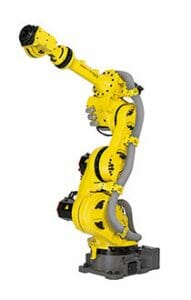
The CTE Curriculum Guide is an essential resource for educators looking to enhance their curriculum with relevant skills and knowledge. A related article that discusses the importance of bridging the skills gap in manufacturing is available at this link: Fanuc and Rockwell Automation Form Coalition for Manufacturing Skills Gap with Robotics and Automation Apprenticeship Programs. This article highlights the collaboration between industry leaders to create apprenticeship programs that prepare students for careers in robotics and automation, aligning well with the objectives of the CTE Curriculum Guide.
Structuring for Success: Curriculum Framework and Design
With the foundational purpose clearly defined, the next critical phase involves structuring the curriculum framework and designing its core components. This is where the abstract goals begin to take tangible form, outlining the learning journey students will undertake. A well-designed framework ensures coherence, progression, and a logical flow of knowledge and skills.
Developing a Modular and Flexible Structure
Modern CTE programs benefit immensely from a modular and flexible structure. This approach allows for adaptation to evolving industry needs, caters to diverse student learning paces, and facilitates the creation of customized learning pathways. Breaking down complex subjects into smaller, self-contained modules makes learning more accessible and manageable.
Core Modules:
- Foundational Knowledge: Essential theoretical concepts, safety protocols, and industry standards applicable across multiple specializations.
- Technical Skills: Hands-on training in specific tools, technologies, and processes relevant to a particular career cluster.
Specialized Elective Modules:
- Advanced Techniques: Deeper dives into niche areas within a broader field, allowing students to specialize.
- Emerging Technologies: Modules focused on cutting-edge advancements and their applications in the industry.
Cross-Curricular Integration:
- Project-Based Learning: Designing modules that integrate skills and knowledge from different subject areas, mirroring real-world problem-solving.
- Interdisciplinary Units: Creating learning experiences that connect CTE with core academic subjects like mathematics, science, and English.
Defining Learning Objectives and Competencies
Clear, measurable, and achievable learning objectives are the backbone of any effective curriculum. For CTE, these objectives should be framed not just as knowledge acquisition but as demonstrable competencies – the ability to do something with that knowledge. Competency-based learning is particularly well-suited for CTE, as it emphasizes mastery of skills required in the workplace.
Bloom’s Taxonomy and CTE:
- Applying the Levels: Ensuring learning objectives progress from basic knowledge recall to complex application, analysis, and evaluation within a vocational context. For example, a basic objective might be “Identify the components of a circuit,” while a higher-level objective could be “Analyze a faulty circuit diagram and propose a repair solution.”
- Action Verbs: Utilizing strong action verbs that clearly indicate the expected student outcome (e.g., design, troubleshoot, operate, calibrate, diagnose, implement).
Industry-Recognized Standards and Certifications:
- Alignment with Credentials: Directly mapping learning objectives to the requirements of industry-recognized certifications (e.g., CompTIA A+, AWS Certified Welder, OSHA 30-Hour).
- Developing Performance-Based Assessments: Creating assessments that directly measure a student’s ability to perform the tasks outlined in industry standards.
Integrating Essential Soft Skills Development
While technical proficiency is paramount in CTE, the development of essential soft skills is equally critical for career success. These are the interpersonal, communication, and critical thinking abilities that enable individuals to collaborate effectively, solve problems, and adapt to changing work environments. A comprehensive guide will explicitly outline how these skills will be woven into the curriculum.
Communication and Collaboration:
- Team Projects: Designing group activities that require effective communication, negotiation, and shared responsibility.
- Presentation Skills: Incorporating opportunities for students to present their work, projects, and findings to peers and instructors.
Problem-Solving and Critical Thinking:
- Case Studies and Simulations: Presenting realistic workplace scenarios that require students to analyze situations, identify root causes, and propose solutions.
- Troubleshooting Exercises: Developing practical exercises where students must diagnose and resolve technical issues.
Adaptability and Resilience:
- Exposure to New Technologies: Regularly introducing students to new tools and methodologies to foster adaptability.
- Feedback and Revision: Encouraging students to learn from constructive criticism and to iterate on their work.
Crafting the Content: Curriculum Delivery and Resources
Once the structure and learning objectives are in place, the focus shifts to the actual content of the curriculum and the resources needed to deliver it effectively. This is where the theoretical framework meets practical application, requiring careful consideration of pedagogical approaches and the selection of appropriate learning materials.
Selecting Diverse and Up-to-Date Instructional Materials
The relevance and currency of instructional materials are non-negotiable in CTE. Outdated textbooks or irrelevant examples can quickly render a program ineffective. A comprehensive guide will specify the types of materials to be used and the criteria for their selection.
Digital and Interactive Resources:
- Learning Management Systems (LMS): Utilizing platforms like Canvas or Schoology to host course materials, assignments, and communication.
- Simulations and Virtual Labs: Employing software that allows students to practice skills in a safe, virtual environment (e.g., virtual welding simulators, CAD software).
- Online Tutorials and Video Libraries: Curating a collection of high-quality online resources that supplement classroom instruction.
Hands-On Learning Tools and Equipment:
- Industry-Standard Equipment: Ensuring access to the same tools and machinery used in professional settings.
- Project-Based Learning Kits: Providing students with materials and components for hands-on projects that reinforce learning.
- Maker Spaces and Fabrication Labs: Creating environments that encourage experimentation and innovation through access to tools like 3D printers and laser cutters.
Developing Engaging Pedagogical Approaches
The “how” of teaching is as important as the “what.” A comprehensive CTE curriculum guide will advocate for and provide guidance on pedagogical approaches that maximize student engagement, promote deep learning, and cater to diverse learning styles.
Project-Based Learning (PBL):
- Authentic Projects: Designing projects that mirror real-world challenges and require students to apply a range of skills to achieve a tangible outcome.
- Student Agency: Empowering students to take ownership of their learning, make choices, and drive their projects forward.
Problem-Based Learning (PBL):
- Ill-Structured Problems: Presenting complex, open-ended problems that require students to identify information needs, conduct research, and develop solutions.
- Collaborative Inquiry: Fostering an environment where students work together to explore problems and construct knowledge.
Experiential Learning:
- Internships and Externships: Facilitating opportunities for students to gain practical experience in actual work settings.
- Simulations and Role-Playing: Creating scenarios that allow students to practice professional interactions and decision-making.
Establishing Assessment and Evaluation Strategies
A robust assessment strategy is crucial for measuring student learning, providing feedback, and informing instructional adjustments. For CTE, assessments must go beyond traditional tests to evaluate practical skills and competencies.
Formative Assessments:
- Quizzes and Short Assignments: Regularly checking for understanding of key concepts.
- Observation and Feedback: Providing ongoing feedback during hands-on activities and project work.
- Self- and Peer Assessments: Empowering students to reflect on their own learning and provide constructive feedback to their peers.
Summative Assessments:
- Performance-Based Tasks: Evaluating students’ ability to perform specific skills or complete complex tasks.
- Portfolios: Allowing students to showcase their best work and demonstrate their growth over time.
- Industry Certification Exams: Utilizing industry-recognized exams as a measure of mastery.
Ensuring Quality and Sustainability: Professional Development and Continuous Improvement
The most comprehensive curriculum guide is only effective if it is implemented by skilled educators and continually updated to remain relevant. Therefore, a critical element of any guide is the strategy for professional development and continuous improvement. This ensures that the CTE programs remain at the cutting edge of industry practices and pedagogical innovation.
Investing in Educator Professional Development
The success of CTE programs directly correlates with the expertise and pedagogical skills of the educators delivering them. A proactive approach to professional development is essential to keep instructors abreast of technological advancements, new industry practices, and effective teaching methodologies.
Industry Immersion Programs:
- Externships for Educators: Providing opportunities for teachers to spend time in industry settings, gaining firsthand experience with current technologies and workflows.
- Industry-Led Workshops: Inviting industry professionals to conduct training sessions for educators on specific tools or techniques.
Pedagogical Training:
- Workshops on PBL and Experiential Learning: Equipping educators with the skills to design and facilitate engaging, hands-on learning experiences.
- Technology Integration Training: Ensuring educators are proficient in using new educational technologies and digital tools.
Curriculum Development Communities:
- Collaborative Planning Sessions: Creating structured opportunities for educators to share best practices, revise curriculum materials, and address challenges collectively.
- Action Research Projects: Encouraging educators to investigate and implement innovative teaching strategies within their own classrooms.
Establishing Mechanisms for Curriculum Review and Revision
The rapid pace of technological change and evolving industry demands necessitate a formal process for regular curriculum review and revision. A curriculum that is not regularly updated risks becoming obsolete, failing to prepare students for the demands of the modern workforce.
Annual Curriculum Audits:
- Alignment with Industry Standards: Conducting thorough reviews to ensure the curriculum remains aligned with current industry certifications and best practices.
- Labor Market Data Analysis: Revisiting labor market information to identify emerging trends and adjust program offerings accordingly.
Stakeholder Feedback Loops:
- Industry Advisory Board Meetings: Regular meetings with advisory boards to gather feedback on curriculum effectiveness and identify areas for improvement.
- Student and Alumni Surveys: Soliciting feedback from former students to understand the long-term impact of the curriculum and identify areas where graduates felt they needed more preparation.
- Employer Feedback: Gathering insights from employers who hire CTE graduates to assess their readiness for the workplace.
Fostering a Culture of Innovation and Adaptability
Ultimately, a truly comprehensive CTE curriculum guide is not a static document but a catalyst for a culture of innovation and adaptability within an educational institution. It encourages educators and students alike to embrace change, explore new possibilities, and continuously strive for excellence.
Encouraging Experimentation:
- Pilot Programs: Implementing new modules or pedagogical approaches on a smaller scale to test their effectiveness before full rollout.
- Innovation Grants: Providing resources for educators to explore and implement novel teaching strategies or curriculum ideas.
Building Partnerships for the Future:
- Collaborations with Research Institutions: Connecting CTE programs with universities and research centers to explore cutting-edge technologies and their applications.
- Global Connections: Exploring opportunities for international collaboration and exchange to broaden student perspectives and expose them to global industry trends.
The CTE Curriculum Guide is an essential resource for educators looking to enhance their career and technical education programs. For those interested in exploring more about local initiatives and updates in Alabama, a related article can be found at Tech Ed Magazine, which highlights various educational developments and opportunities in the state. This information can be invaluable for aligning CTE programs with current industry needs and trends.
TechEd Magazine’s Insights
Developing a comprehensive CTE curriculum guide is more than an academic exercise; it’s a strategic investment in human capital. At TechEd Magazine, we see a clear trend: the most successful CTE programs are those that are dynamic, industry-aligned, and student-centric. This means moving beyond rote memorization and embracing pedagogies that foster critical thinking, problem-solving, and adaptability. The integration of emerging technologies, from AI to advanced manufacturing, is not optional; it’s a necessity for preparing students for the jobs of today and tomorrow. Furthermore, a strong emphasis on soft skills is crucial, as employers consistently cite these as being as important as technical proficiency. Finally, continuous collaboration with industry stakeholders is the lifeblood of any relevant CTE program. Without this partnership, curricula risk becoming irrelevant.
Sources
- U.S. Department of Education – Career and Technical Education: Provides resources, policy updates, and data related to CTE in the United States.
- https://www.ed.gov/oese/offices/office-career-technical-and-adult-education
- Advance CTE – State Leadership for Career and Technical Education: A national association that advances CTE through policy, advocacy, and leadership development.
- https://careertech.org/
- Association for Career and Technical Education (ACTE): The largest national professional association serving career and technical education professionals.
- https://www.acteonline.org/
- Bureau of Labor Statistics – Occupational Outlook Handbook: Provides detailed information about hundreds of occupations, including job duties, education and training, pay, and outlook.
- https://www.bls.gov/ooh/
- Project-Based Learning Resources (e.g., PBLWorks): Offers extensive resources, research, and professional development on implementing project-based learning.
- https://www.pblworks.org/
By meticulously addressing each of these pillars – from purpose and scope to sustainability and continuous improvement – educational institutions can craft CTE curriculum guides that not only meet the current needs of the workforce but also empower students to become the innovators, leaders, and skilled professionals of the future. This is not merely an educational endeavor; it is an investment in our collective prosperity and progress.