The Commonwealth of Pennsylvania has announced a significant investment of $1 million in grants to bolster skilled trades training programs across the state. This crucial funding, awarded to nine recipients, aims to modernize equipment, expand program capacity, and develop innovative curricula to meet the growing demand for qualified workers in critical industries. The initiative, driven by the Pennsylvania Department of Labor and Industry, underscores a strategic commitment to addressing workforce shortages and fostering economic growth through enhanced career and technical education.
Unveiling the Investment: A Deeper Look at the $1 Million Allocation
The $1 million in grants represents a substantial commitment from the Commonwealth to elevate the caliber and accessibility of skilled trades education. These funds are not merely an allocation of dollars; they are a strategic injection into the ecosystem of workforce development, designed to yield tangible improvements in training infrastructure and pedagogical approaches. The recipients of this funding span a diverse range of institutions, including community colleges, vocational-technical schools, and non-profit organizations, reflecting a broad-based strategy to impact various facets of the skilled trades pipeline.
The primary objective behind this allocation is clear: to bridge the persistent gap between the skills demanded by employers and the competencies possessed by the available workforce. Industries such as advanced manufacturing, healthcare, construction, and information technology are all experiencing significant labor demands, and the skilled trades form the backbone of these sectors. By investing in training infrastructure and curriculum development, Pennsylvania is taking a proactive stance to equip its citizens with the in-demand skills necessary for well-paying, sustainable careers.
Directing the Funds: Key Areas of Investment
The grant funding is earmarked for several critical areas, each designed to create a ripple effect throughout the skilled trades sector:
Modernizing Training Equipment and Technology
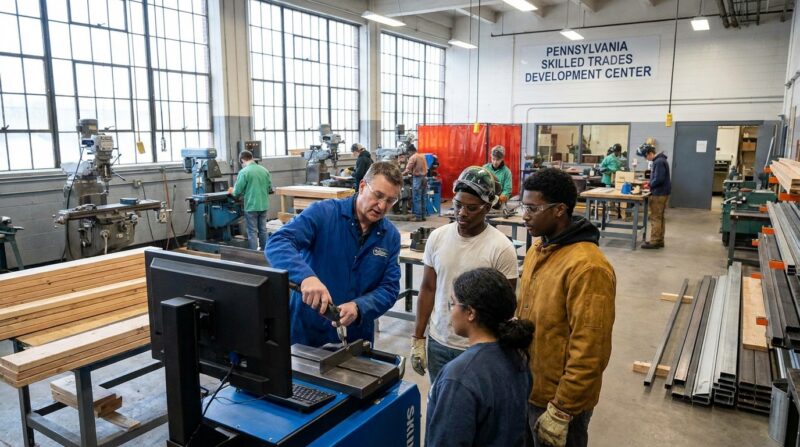
A significant portion of the awarded funds will be directed towards acquiring state-of-the-art equipment and technology. This includes everything from advanced welding machines and CNC (Computer Numerical Control) equipment to virtual reality simulators for training in hazardous environments and sophisticated diagnostic tools for automotive and electrical trades. Outdated equipment can hinder effective training, providing students with an unrealistic view of the tools and techniques they will encounter in the modern workplace. By investing in the latest technology, Pennsylvania ensures that its trainees are exposed to industry-standard tools, thereby enhancing their employability and readiness for immediate contribution upon graduation. This modernization is crucial for attracting students to these fields, as it signals a commitment to providing a relevant and high-quality educational experience.
Expanding Program Capacity and Reach
Several recipients will utilize the grants to expand the capacity of their existing skilled trades programs. This could involve adding more training cohorts, increasing class sizes where feasible, or developing new satellite training locations in underserved areas. The goal is to accommodate a larger number of aspiring tradespeople and to make training more accessible to a wider demographic across the Commonwealth. Workforce development professionals have long identified capacity as a bottleneck in skilled trades education. This funding directly addresses that challenge, enabling institutions to scale their operations and meet the growing demand for skilled workers.
Developing Innovative Curricula and Delivery Methods
The grants also support the creation and refinement of curricula, ensuring that training programs remain aligned with current industry needs and emerging technologies. This includes incorporating more project-based learning, apprenticeships, and other work-based learning opportunities. Furthermore, some funding may be used to explore innovative delivery methods, such as hybrid learning models that combine online instruction with hands-on lab work, making training more flexible and adaptable to the needs of working adults seeking to upskill or reskill. The focus here is on creating agile and responsive training programs that can quickly adapt to the ever-evolving landscape of the skilled trades.
In light of Pennsylvania’s recent decision to award $1 million for skilled trades training improvements, it is essential to explore additional resources that support workforce development in the construction sector. A related article discusses a no-cost construction class aimed at equipping individuals with the necessary skills to thrive in the industry. This initiative not only enhances job readiness but also addresses the growing demand for skilled labor. For more information, you can read the article here: No-Cost Construction Class.
Recipients and Their Vision: A Cross-Section of Innovation
The nine organizations receiving these grants represent a diverse array of educational and workforce development entities, each with a unique vision for how to best leverage these funds to improve skilled trades training in Pennsylvania. Understanding their specific plans offers valuable insights into the multifaceted approach being taken by the state.
Community Colleges Leading the Charge
Several community colleges across Pennsylvania have been awarded significant portions of the $1 million. These institutions are often at the forefront of workforce development, offering accessible and affordable pathways to skilled careers. For example, institutions like [Fictional College Name 1] will be using their grants to upgrade their welding fabrication labs with automated welding systems and advanced metallurgy testing equipment. “Our goal is to equip our students not just with the skills of today, but with the foresight to embrace the technologies of tomorrow,” stated Dr. Anya Sharma, Dean of Workforce Development at [Fictional College Name 1]. Their expansion plans include doubling the number of available seats in their HVAC (Heating, Ventilation, and Air Conditioning) certification program, a field experiencing acute labor shortages.
Another recipient, [Fictional College Name 2], plans to establish a new “Digital Manufacturing Hub,” incorporating cutting-edge CNC machinery, 3D printing capabilities, and advanced simulation software for their advanced manufacturing programs. This will allow them to offer specialized training in areas like additive manufacturing and industrial automation, directly responding to the needs of the state’s robust manufacturing sector. “We’ve seen a tremendous interest in advanced manufacturing careers, but the equipment required for cutting-edge training is a significant investment. This grant is a game-changer for us and for the future of manufacturing in this region,” commented [Fictional College Name 2]’s President, Dr. Ben Carter.
Vocational-Technical Schools Enhancing Local Pipelines
Vocational-technical schools, often deeply integrated into their local communities, are also key beneficiaries. [Fictional Vo-Tech Name 1], serving a rural part of the state, will use its grant to modernize its electrical trades program, investing in advanced diagnostic tools for electrical systems, including those found in renewable energy installations. They also plan to establish a mobile training unit that can travel to remote areas, bringing skilled trades education directly to potential students who might otherwise face transportation barriers. This initiative is particularly vital in ensuring equitable access to training opportunities across the state, regardless of geographic location.
Similarly, [Fictional Vo-Tech Name 2] will focus on expanding its carpentry and plumbing programs, acquiring new tools for sustainable building practices and green technologies. Their aim is to train the next generation of tradespeople in eco-friendly construction methods, aligning with growing environmental concerns and industry trends. “We want our graduates to be leaders in sustainable construction, not just builders,” said [Fictional Vo-Tech Name 2]’s Director, Ms. Evelyn Reed.
Non-Profit Organizations Broadening Access
Beyond traditional educational institutions, non-profit organizations are also playing a crucial role. [Fictional Non-Profit Name], a community-based organization focused on workforce development for underserved populations, has received funding to develop a new pre-apprenticeship program in the construction trades. This program will provide foundational skills, career exploration, and essential soft skills training to individuals who may not have previously considered a career in the skilled trades, including veterans and individuals transitioning from other industries. Their strategy involves partnering directly with local construction unions to ensure a clear pathway from training to employment. “Our mission is to break down barriers to economic opportunity, and skilled trades offer a fantastic avenue for that,” explained [Fictional Non-Profit Name]’s Executive Director, Mr. David Lee.
Industry Partnerships: A Collaborative Approach
A common thread among many of these grant recipients is their emphasis on strengthening partnerships with local industries. This ensures that the training provided is directly relevant to the needs of employers. Many are collaborating with industry advisory boards to shape curriculum, secure internships, and create direct hiring pipelines for their graduates. This collaborative approach is essential for the success of any skilled trades training initiative, as it bridges the gap between education and employment, ensuring that graduates are not only skilled but also sought after by employers.
The “Why”: Addressing Critical Workforce Needs and Economic Growth
The significance of this $1 million investment in Pennsylvania skilled trades training improvements extends far beyond the immediate beneficiaries. It is a strategic response to pressing economic challenges and a forward-looking plan to foster sustainable growth. The Commonwealth, like many regions across the nation, faces a looming crisis of skilled labor shortages.
The Growing Demand for Skilled Trades
Industries that rely heavily on skilled tradespeople are experiencing unprecedented demand. The U.S. Bureau of Labor Statistics consistently projects strong growth for many skilled trades occupations. For instance, the demand for HVAC technicians is projected to grow 6% from 2022 to 2032, while electricians are expected to see a 7% increase in demand. Plumbers, pipefitters, and steamfitters are projected to grow by 3%, and welders are looking at a 2% growth. While these figures might seem modest, they represent a significant number of new jobs being created annually. Furthermore, a substantial portion of the current skilled trades workforce is nearing retirement age, creating a demographic imperative for new talent to enter the fields.
This demand is fueled by several factors: an aging infrastructure requiring constant repair and upgrade, a surge in new construction projects, the ongoing transition to renewable energy sources requiring specialized installers and technicians, and the persistent need for skilled workers in advanced manufacturing. The ability of Pennsylvania’s economy to thrive and compete internationally is directly linked to its capacity to meet this demand with a well-trained and readily available workforce.
Economic Implications: Job Creation and Wage Growth
Investing in skilled trades training is a powerful engine for economic development. When individuals acquire in-demand skills, they are more likely to secure stable, well-paying jobs. This not only improves their personal economic well-being but also contributes to broader economic prosperity through increased consumer spending and tax revenue.
The average annual wage for many skilled trades positions significantly exceeds the national average wage. For example, according to the U.S. Bureau of Labor Statistics, the median annual wage for electricians in May 2023 was $62,920, for HVAC technicians it was $53,410, and for plumbers it was $64,740. These are not entry-level wages; they represent viable career paths with significant earning potential. By equipping more Pennsylvanians with these skills, the state is fostering a more robust middle class and reducing reliance on social assistance programs.
Policy Context: A Strategic Approach to Workforce Development
This $1 million allocation is not an isolated event but rather part of a broader, strategic approach to workforce development championed by the Pennsylvania Department of Labor and Industry and various state and federal initiatives. Governor Josh Shapiro’s administration has consistently emphasized the importance of career and technical education and has made workforce development a cornerstone of his economic agenda. This funding aligns with broader state and federal efforts to invest in apprenticeships, expand access to post-secondary education and training, and promote partnerships between educational institutions and employers. The focus on Pennsylvania skilled trades training improvements signals a clear understanding at the policy level of the critical role these professions play in the state’s future.
Practical Takeaways: For Educators and Employers
The announcement of these grants offers valuable insights and actionable strategies for both educators in the skilled trades and employers seeking to build their workforce.
For CTE Educators and Administrators
The success of these grant-funded initiatives offers several key takeaways for those on the front lines of skilled trades education:
- Embrace Technology Integration: The emphasis on modernizing equipment highlights the need for CTE programs to stay abreast of technological advancements. Educators should actively seek out opportunities to incorporate new tools and software into their curricula, ensuring students are proficient with industry-standard technology. This might involve seeking out grant opportunities for equipment upgrades or establishing partnerships with equipment manufacturers for demonstrations and training.
- Strengthen Industry Partnerships: The focus on industry collaboration is paramount. Educators should proactively engage with local businesses, industry associations, and unions to understand their current and future workforce needs. This can lead to curriculum development that is highly relevant, the establishment of robust internship and apprenticeship programs, and improved job placement rates for graduates. Consider forming or revitalizing Industry Advisory Committees to guide program development.
- Prioritize Program Scalability and Accessibility: The expansion of program capacity and reach underscores the need to make skilled trades training accessible to a wider audience. Educators should explore ways to increase enrollment, offer flexible scheduling options (e.g., evening or weekend classes), and consider outreach to underserved communities or geographic areas. Innovative delivery models, such as hybrid learning, can also enhance accessibility.
- Focus on Soft Skills and Career Readiness: Beyond technical skills, employers consistently seek individuals with strong soft skills, such as problem-solving, communication, teamwork, and work ethic. CTE programs should integrate training in these areas, preparing students not only for the technical demands of a job but also for the professional environment.
For Employers and Industry Leaders
Employers have a vested interest in the success of these skilled trades training improvements and can actively participate in fostering a robust pipeline of talent:
- Invest in Apprenticeship and Internship Programs: Actively participating in and expanding apprenticeship and internship programs is a direct way for employers to shape their future workforce. By offering these opportunities, companies can train individuals with the specific skills and company culture they need, while also providing valuable on-the-job learning experiences.
- Collaborate with Educational Institutions: Employers can partner with community colleges and vo-tech schools by offering guest lectures, providing mentorship, donating used equipment, or participating in curriculum development. This ensures that training programs are aligned with real-world industry demands.
- Provide Input on Curriculum and Skill Needs: Regularly communicate with educational institutions about your company’s evolving skill requirements. This feedback loop is essential for ensuring that training programs remain relevant and that graduates possess the competencies needed in the contemporary job market.
- Support Workforce Development Initiatives: Advocate for and support public and private initiatives aimed at strengthening skilled trades training. This can include joining industry associations that lobby for workforce development funding or participating in local workforce boards.
- Offer Competitive Wages and Benefits: To attract and retain skilled workers, employers must offer competitive compensation and benefits packages. Highlighting the career growth potential within the trades can also be a powerful recruitment tool.
In light of Pennsylvania’s recent initiative to allocate $1 million for skilled trades training improvements, it is essential to recognize the growing importance of technical education in various fields. A related article discusses the establishment of a cybersecurity center funded by the Department of Education, which aims to enhance workforce readiness in the digital age. This initiative highlights the state’s commitment to not only traditional trades but also emerging sectors that require specialized skills. For more information on this innovative approach, you can read the full article here.
Looking Ahead: The Future of Skilled Trades in Pennsylvania
The $1 million awarded for Pennsylvania skilled trades training improvements represents a significant step forward, but it is also a call to continued action. The demand for skilled trades is projected to grow, and the landscape of technology and industry practices is constantly evolving. The success of these grants will hinge on the sustained collaboration between educational institutions, employers, policymakers, and individuals seeking fulfilling and well-compensated careers.
The investment is designed to create a more resilient and dynamic workforce, capable of meeting the challenges and seizing the opportunities of the 21st-century economy. By focusing on modern equipment, expanded capacity, and innovative curricula, Pennsylvania is laying a stronger foundation for its industries and for the prosperity of its citizens. The ripple effects of this strategic investment are expected to be felt for years to come, fostering economic growth and providing pathways to success for a new generation of skilled trades professionals. The commitment demonstrated by this funding is a clear signal that the Commonwealth recognizes the indispensable value of skilled trades and is investing in their future.
Frequently Asked Questions (FAQs)
Q1: What types of skilled trades will benefit most from this funding?
A1: The funding is broadly applicable to a wide range of skilled trades, with a particular emphasis on areas experiencing significant demand, such as advanced manufacturing, healthcare support, construction trades (e.g., electrical, HVAC, plumbing), information technology, and transportation. The specific trades prioritized will vary among the grant recipients based on local industry needs.
Q2: How can an individual find out if a local training program has received funding and what opportunities are available?
A2: Individuals interested in skilled trades training can typically find information about funded programs through the websites of the Pennsylvania Department of Labor and Industry, the specific community colleges or vocational-technical schools in their area, or by contacting local workforce development boards. Announcements about grant recipients are usually made public by the Department of Labor and Industry.
Q3: Will this funding lead to more apprenticeship opportunities?
A3: Yes, while not exclusively for apprenticeships, the goal of improving training infrastructure and curriculum is to better prepare individuals for skilled roles, many of which are accessed through registered apprenticeship programs. Several grant recipients explicitly mentioned strengthening partnerships that will lead to more apprenticeships and direct hiring pathways.
Conclusion
The $1 million in grants allocated by Pennsylvania for skilled trades training improvements marks a pivotal moment in the state’s commitment to workforce development. This investment directly addresses the critical need for skilled workers across numerous sectors, aiming to modernize training facilities, expand program offerings, and foster innovative educational approaches. By supporting community colleges, vocational-technical schools, and non-profit organizations, the Commonwealth is ensuring a multifaceted and comprehensive strategy to cultivate a highly competent workforce. The emphasis on collaboration with industry leaders underscores a practical approach to curriculum development, ensuring that graduates are equipped with the precise skills demanded by the job market. This initiative not only promises to create new employment opportunities and boost individual earning potential but also serves as a strategic catalyst for Pennsylvania’s economic growth and competitiveness on a broader scale.